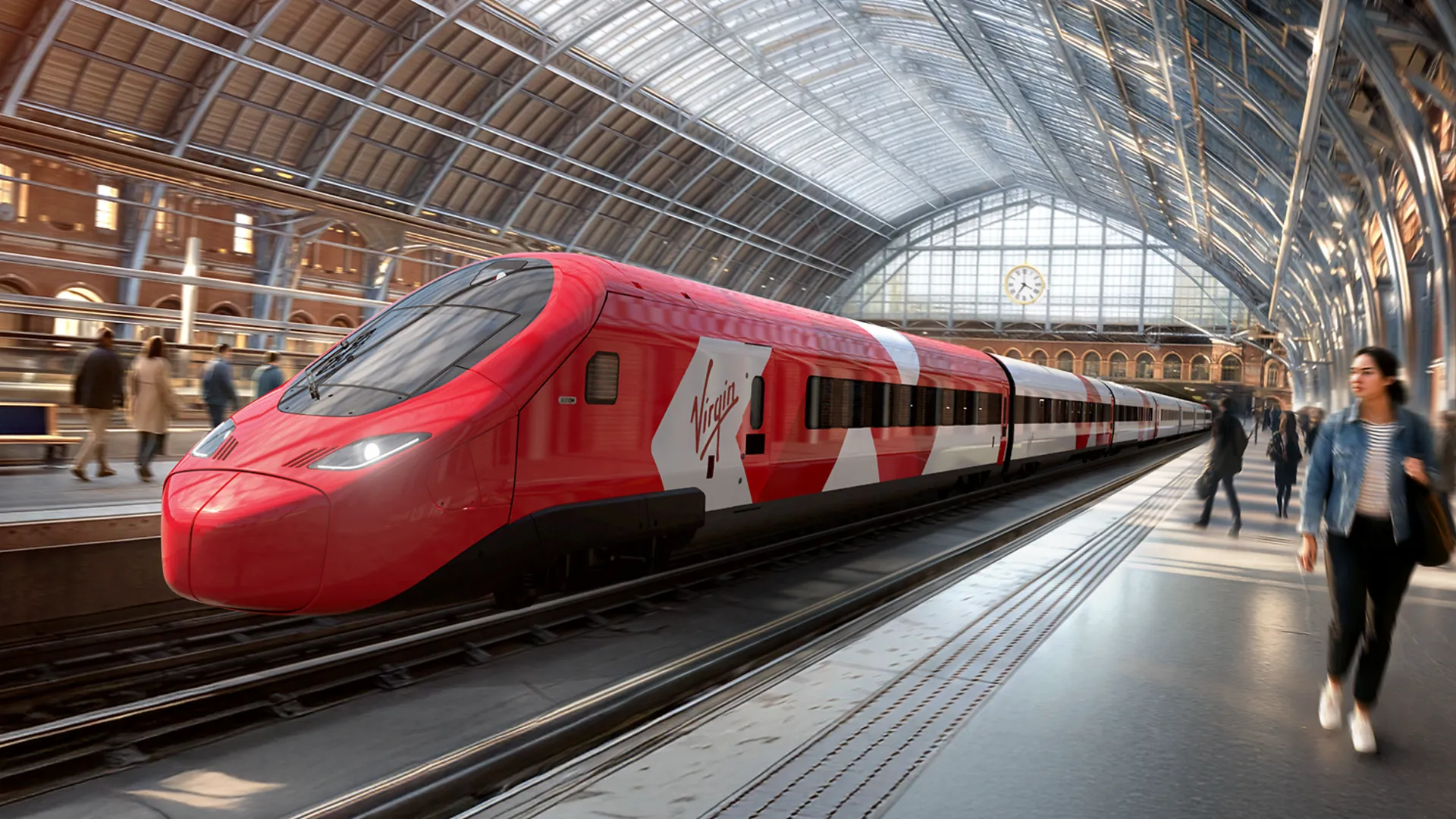
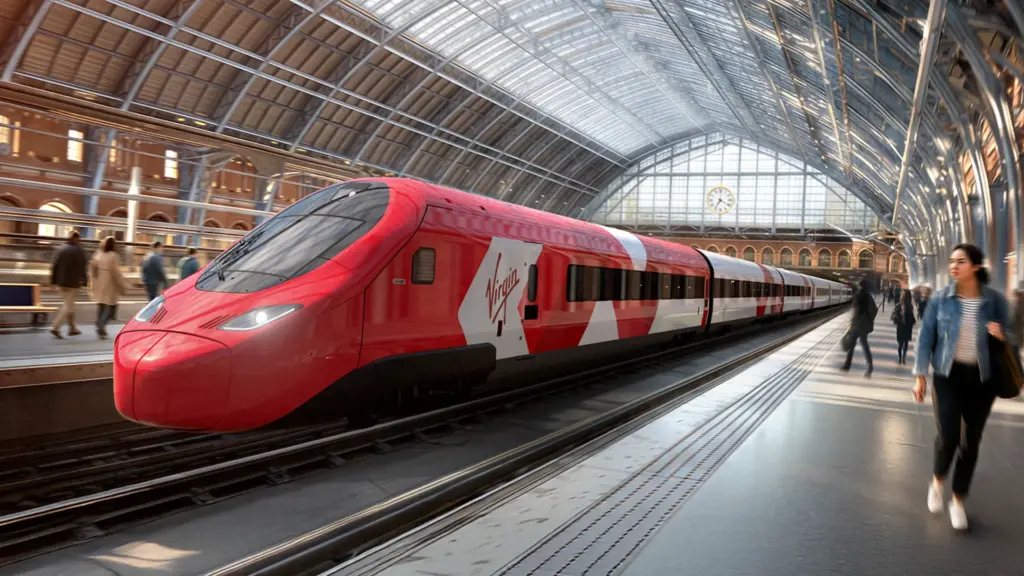
For the first time since the Channel Tunnel opened in 1994, travellers between the UK and continental Europe may soon enjoy a true rail rivalry. A New Era for UK-Europe Rail Travel as Virgin Trains Takes on Eurostar.
Long dominated by Eurostar, the high-speed route between London and cities such as Paris, Brussels and Amsterdam looks set to open up to competition. In a landmark decision that could transform how we think about cross-Channel travel, Virgin Trains has been granted access to critical rail infrastructure that paves the way for its own international services.
At the heart of this development is Temple Mills, a rail depot in east London that is essential for maintaining and storing high-speed trains bound for the Channel Tunnel. Until recently, Eurostar had exclusive access to this facility, an effective bottleneck blocking challengers. Now, the UK’s rail regulator, the Office of Rail and Road (ORR), has ruled that Virgin Trains can share the depot. That may sound like a small technicality, but it’s a major milestone in bringing competition to a 30-year-old monopoly.

Why This Matters
For millions of travellers, rail routes through the Channel Tunnel are already an attractive alternative to flying, faster from city centre to city centre, more environmentally friendly, and often more relaxing. Yet one company has held exclusive rights to that route for decades. With Virgin now in the frame to run its own services, that could soon change.
More competition has the potential to deliver:
- Lower fares – Virgin says it aims to make prices more competitive and more flexible.
- More choice – Instead of one main operator, travellers may be able to choose between different services and timetables.
- New routes – Proposals floated so far include direct services to places even Eurostar doesn’t currently serve, such as Paris CDG Airport and ambitions to go beyond the core three capitals to cities in Germany and Switzerland.
- Investment in rail travel – The ORR has said this decision could unlock tens of millions of pounds in private investment, as well as jobs and economic growth tied to new international services.
In short, the decision could be a genuine game-changer for anyone dreaming of a smoother, greener, more exciting way to explore Europe by rail.
What’s Happened So Far
The ORR’s decision in late October 2025 to grant Virgin access to Temple Mills was the most visible sign that competition is finally materialising. Out of four applicants seeking access to the depot, including start-ups and European rivals. Virgin’s proposal was judged the most robust, financially backed and ready to make the best use of the facility.
Richard Branson, the face of Virgin Group, was quick to welcome the decision. In comments reported widely across the UK press, he described the move as “the right one for consumers” and a step towards “bringing some Virgin magic to the cross-Channel route.”
The regulator’s own statement backed this up, pointing to benefits for travellers and the broader rail market, as well as the potential for wider economic growth tied to greater international connectivity.
There’s a long road ahead before passengers can board their first Virgin cross-Channel train, but the hurdles that once seemed seemingly insurmountable are being cleared.
When Can We Expect Virgin Trains to Start Running?
Virgin Trains has indicated it hopes to launch services by around 2030. That timeline takes into account a host of regulatory, technical and commercial steps that must still be completed before trains can roll, including:
- Securing track access rights on High Speed 1 and through the tunnel itself.
- Finalising safety certifications in the UK and EU.
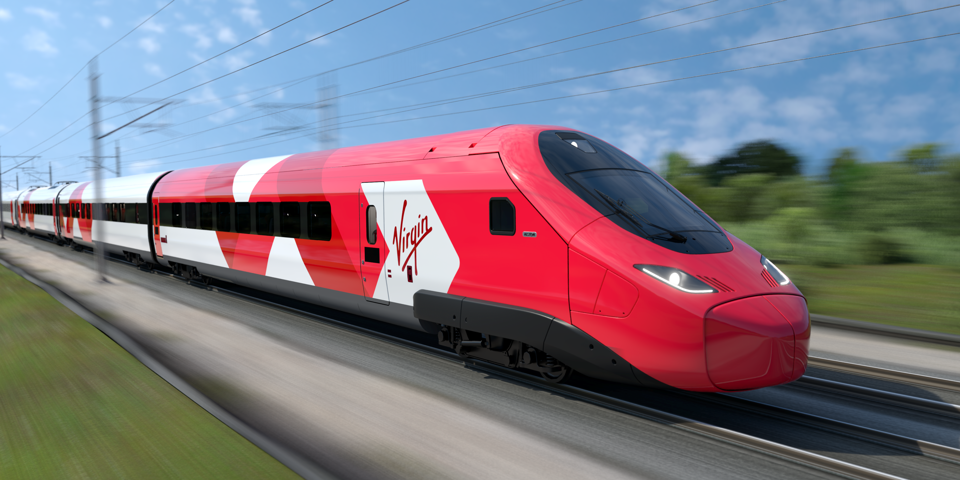
- Building or procuring suitable rolling stock, Virgin has reportedly agreed to purchase high-speed Avelia Stream trains capable of operating in both the UK and Europe.
- Agreeing station access and service paths at key hubs such as London St Pancras, Paris Gare du Nord, Brussels-Midi, and Amsterdam Central.
While these are significant pieces of work, industry watchers are optimistic that the foundation laid by the ORR decision gives Virgin and its partners a clear runway to go from planning to delivery.
What About Eurostar?
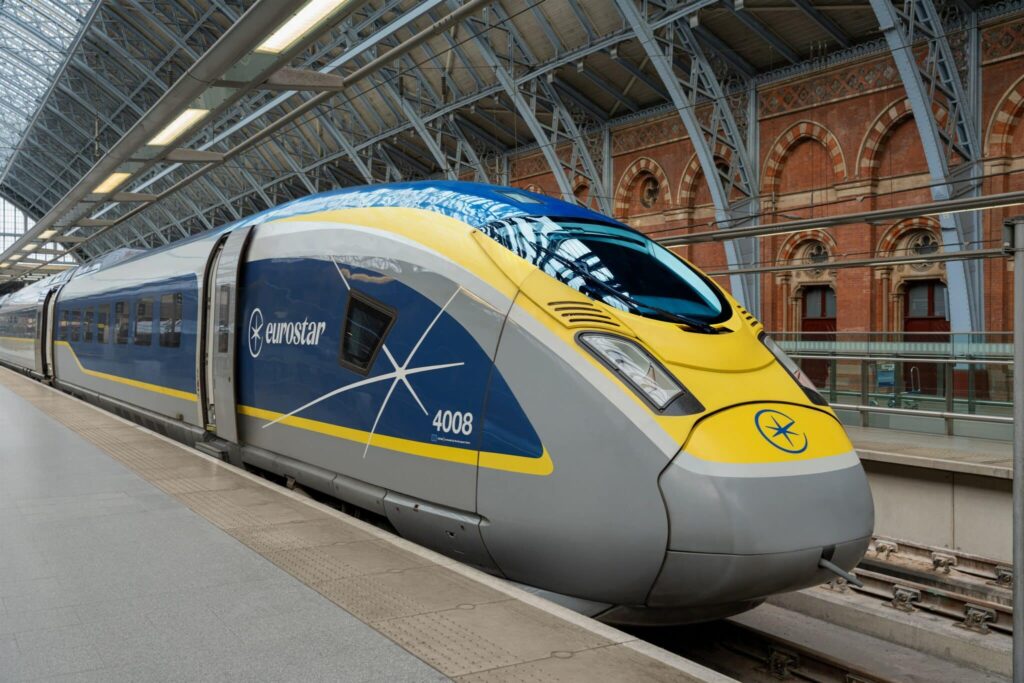
It would be wrong to think Eurostar is standing still. The operator has responded to the changing landscape by announcing its own investments in new, larger trains and improvements to capacity. In some press accounts, Eurostar emphasises that the Channel Tunnel is far from full, with capacity for more trains, but still room to grow sustainably.
In other words: competition is coming, and Eurostar appears ready to fight for its position rather than step aside.
For Travellers, a New Dawn?
So what does all this mean for the everyday traveller?
More choice and flexibility: With at least two operators competing for your ticket, you won’t be tied to just one schedule or pricing model.
Potential for lower prices: Competitive pressure often leads to better deals, especially if new routes and services attract more passengers.
More routes beyond the French capital: Virgin has talked openly about linking London not just with Paris, Brussels and Amsterdam, but also with new destinations that could include airport stations like Paris Charles de Gaulle, offering seamless connections for onward travel.
Better sustainability: Rail is already one of the lowest-carbon ways to travel between the UK and mainland Europe. Adding competition and capacity will help shift even more travellers away from short-haul flights and towards greener options.
Looking Ahead
If all goes to plan, 2030 could be the year when Virgin Trains finally opens a new chapter in Channel Tunnel rail travel, ending a 30-year monopoly and giving Brits (and visitors) more reasons than ever to swap airport queues for high-speed platforms.
For lovers of European adventure, that’s an exciting prospect. The Channel Tunnel has always been about connection; physically linking the islands of Britain with the continent. Now, competition could bring a new era of choice, creativity and opportunity to one of Europe’s most iconic travel routes. A New Era for UK-Europe Rail Travel as Virgin Trains Takes on Eurostar.
Stay tuned, the journey is just beginning.
Photo ref: Virgin.com / Eurostar.com
For more travel news, click here: https://www.purevacations.com/category/travel-news/
If you are interested in travelling to Europe, then please look at our company travel packages available at PURE ONE Travel by clicking this link: https://pureonetravel.com/